

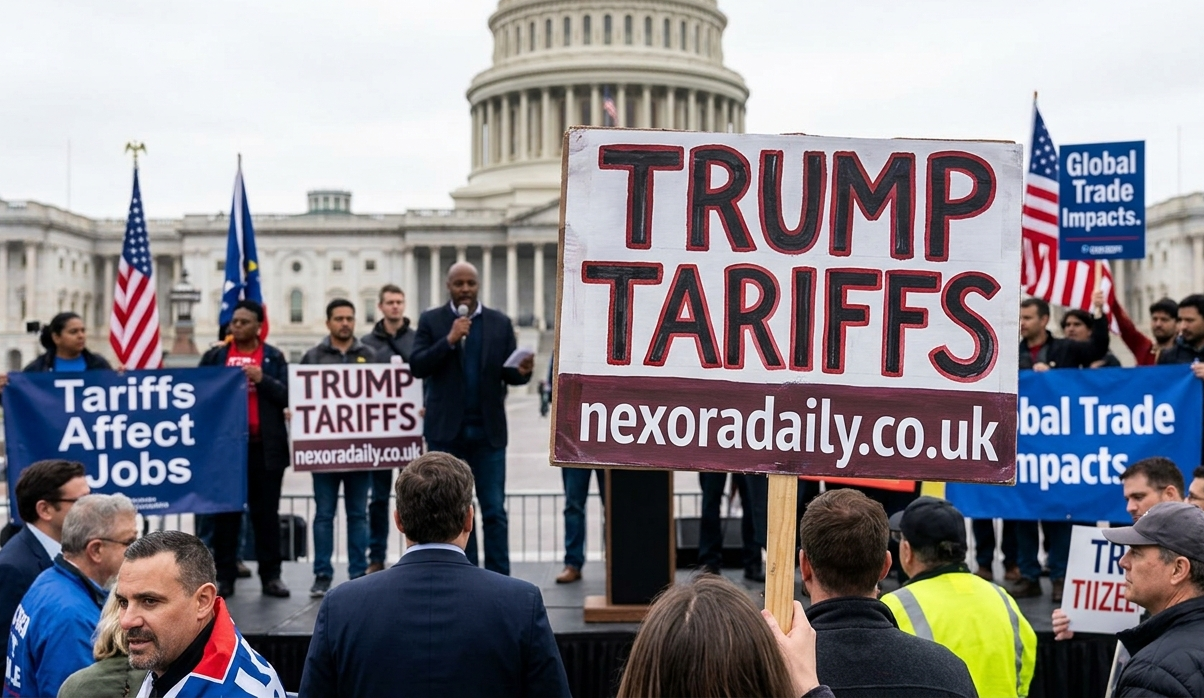
Trade policy became one of the defining issues of Donald Trump presidency, and few policies generated as much debate as Trump tariffs. Introduced as part of a broader “America First” economic agenda, these tariffs were designed to reduce trade deficits, protect domestic industries, and pressure trading partners into renegotiating agreements that the administration considered unfair.
Supporters argued that the policy helped revive American manufacturing and forced countries to address long-standing trade imbalances. Critics claimed it increased costs for consumers, disrupted global supply chains, and triggered retaliatory tariffs that hurt American farmers and exporters.
Years after their introduction, the effects of Trump tariffs continue to shape global commerce, trade negotiations, and political debates. This article explores their origins, implementation, economic consequences, global reactions, and long-term impact on international trade.
What Are Trump Tariffs?
Tariffs are taxes placed on imported goods. When foreign products enter a country, governments can impose tariffs to make those products more expensive, encouraging consumers and businesses to buy domestic alternatives.
During his presidency from 2017 to 2021, Donald Trump imposed tariffs on hundreds of billions of dollars worth of imported goods, especially from China.
These tariffs targeted products such as:
- Steel
- Aluminum
- Electronics
- Machinery
- Consumer goods
- Agricultural products
- Industrial components
The administration argued that these measures would protect American workers and industries from unfair foreign competition.
Why Trump Introduced Tariffs
The Trump administration believed many international trade arrangements disadvantaged the United States.
Trade Deficit Concerns
One major concern was America’s trade deficit with China. The U.S. imported significantly more goods from China than it exported.
Trump frequently argued that this imbalance weakened American manufacturing.
Protecting Domestic Industries
The administration claimed industries like steel and aluminum were critical for national security.
In 2018, tariffs included:
- 25% on imported steel
- 10% on imported aluminum
These measures affected multiple countries.
Canada
Mexico
European Union
Intellectual Property Disputes
The U.S. also accused China of:
- Intellectual property theft
- Forced technology transfers
- Unfair trade practices
Tariffs were used as leverage to pressure reforms.
The U.S.-China Trade War
The largest consequence of Trump tariffs was the trade war between the United States and China.
Initial Tariffs
The U.S. first imposed tariffs on Chinese imports worth billions of dollars.
China responded with retaliatory tariffs on American goods.
This led to a cycle of escalating trade restrictions.
Chinese Retaliation
China targeted U.S. exports including:
- Soybeans
- Pork
- Automobiles
- Agricultural goods
American farmers were heavily impacted.
Soybean
Phase One Trade Deal
In January 2020, the U.S. and China signed the “Phase One” trade agreement.
China–United States Phase One Trade Agreement
China agreed to purchase more American goods.
However, many tariffs remained in place.
Impact on American Consumers
One of the biggest criticisms of Trump tariffs was higher consumer costs.
Imported products became more expensive because companies often passed tariff costs to buyers.
Affected goods included:
- Appliances
- Electronics
- Clothing
- Furniture
Consumers indirectly paid more for everyday products.
Impact on U.S. Manufacturers
While some industries benefited, others suffered.
Many American manufacturers rely on imported raw materials.
Higher costs for steel and components reduced profitability.
Industries affected included:
- Automotive
- Construction
- Technology
- Manufacturing
Ford Motor Company
General Motors
Effects on Farmers
Farmers became major casualties of retaliatory tariffs.
China reduced purchases of U.S. agricultural goods.
This created financial stress in rural communities.
The government introduced billions in aid programs to offset losses.
United States Department of Agriculture
Global Supply Chain Disruptions
Trump tariffs accelerated supply chain changes.
Companies began moving manufacturing operations to countries like:
- Vietnam
- India
- Mexico
Businesses sought alternatives to China-based production.
Impact on Financial Markets
Markets often reacted sharply to tariff announcements.
Stock prices fluctuated due to uncertainty over trade negotiations.
Investors worried about slower economic growth.
S&P 500
Trump Tariffs on Allies
Tariffs were not limited to China.
The administration also imposed duties on allies.
Canada and Mexico
Tariffs affected major North American trade partners.
This created tensions during negotiations over:
United States-Mexico-Canada Agreement
European Union
The European Union also faced tariffs.
Retaliatory measures targeted iconic American goods.
Bourbon whiskey
Harley-Davidson motorcycles
Legal Challenges
Several companies and trade groups challenged tariffs in court.
They argued the administration exceeded legal authority.
Some cases produced mixed rulings.
World Trade Organization
The WTO also criticized aspects of the trade policies.
Political Impact
Trump tariffs became a major campaign issue.
Supporters viewed them as strong action against unfair trade practices.
Opponents argued they harmed American consumers.
The debate continued during later elections.
Biden Administration and Trump Tariffs
Joe Biden largely kept many tariffs in place after taking office.
This showed bipartisan concern about trade dependence on China.
However, some reviews were conducted.
Did Trump Tariffs Work?
This remains heavily debated.
Arguments in Favor
Supporters claim tariffs:
- Protected key industries
- Pressured China
- Strengthened negotiation leverage
- Encouraged domestic production
Arguments Against
Critics argue tariffs:
- Increased consumer prices
- Hurt farmers
- Damaged trade relationships
- Created uncertainty
Both sides continue to debate their effectiveness.
Long-Term Global Effects
Trump tariffs reshaped international trade.
Companies diversified manufacturing locations.
Governments reconsidered supply chain risks.
Trade policy became increasingly tied to national security concerns.
Future of U.S. Trade Policy
Future administrations may continue using tariffs as a strategic tool.
Growing tensions between the U.S. and China suggest trade disputes could continue.
Technology competition may intensify future restrictions.
Apple Inc.
Tesla, Inc.
Lessons from Trump Tariffs
The policy demonstrated how interconnected global economies are.
Even targeted trade actions can create worldwide consequences.
Businesses now prioritize flexibility and supply chain resilience.
Governments increasingly focus on economic security.
Conclusion
Trump tariffs remain one of the most significant trade policies in modern American history.
They transformed U.S.-China relations, disrupted global supply chains, and sparked debates about economic nationalism.
