

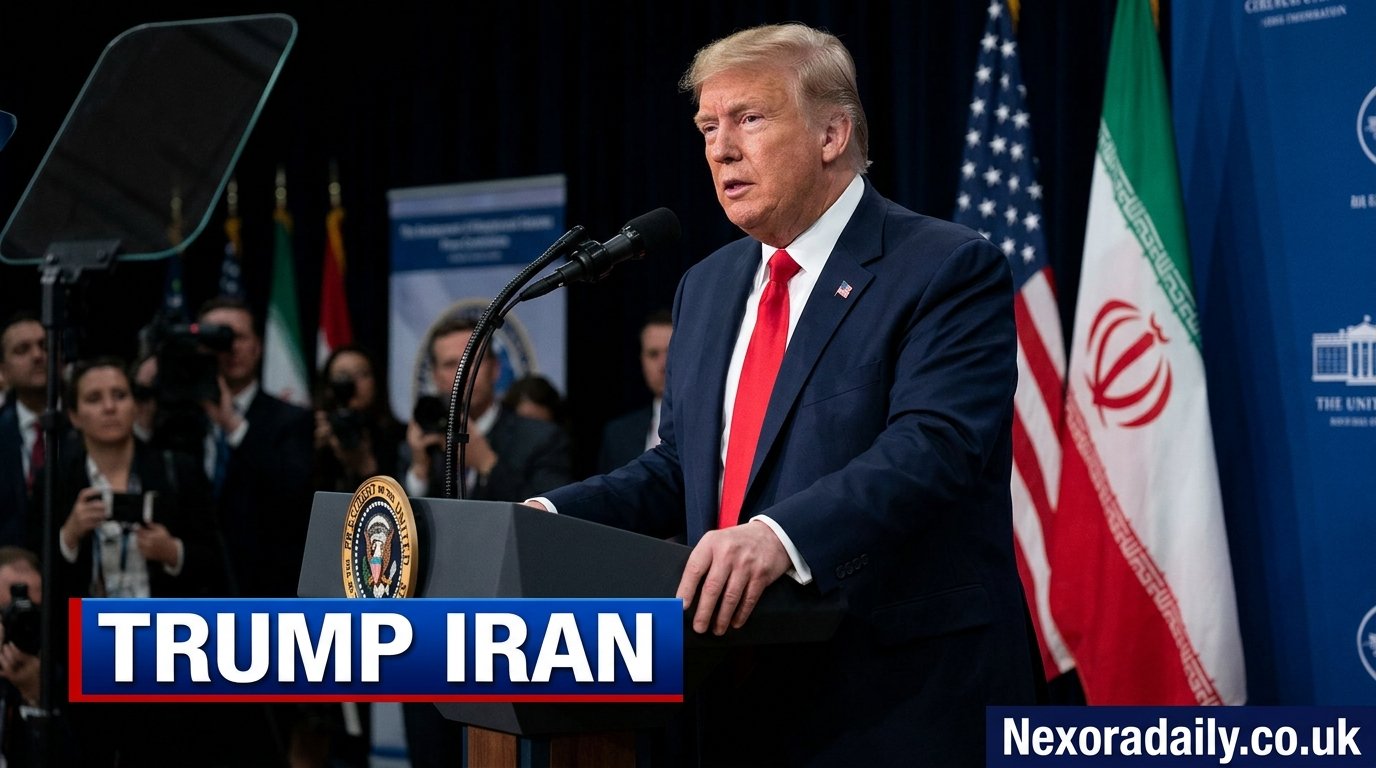
The relationship between Donald Trump and Iran has been one of the most closely watched issues in international politics. It has influenced global diplomacy, economic stability, energy markets, and security across the Middle East. During Trump’s first presidency, his administration introduced a different approach toward Iran by withdrawing from the Iran nuclear deal, restoring economic sanctions, and increasing pressure on the Iranian government. These decisions changed the direction of U.S. foreign policy and affected relations with allies and rivals around the world.
The debate over Trump’s Iran policy continues because its effects are still being felt today. Supporters argue that strong sanctions and firm diplomatic pressure limited Iran’s financial resources and strengthened America’s negotiating position. Critics believe the strategy increased tensions and made diplomatic solutions more difficult. Understanding the history, policies, and consequences of Trump’s approach helps explain why Iran remains one of the most important foreign policy issues facing the United States and the international community.
The History of U.S.-Iran Relations Before Trump
Trump Iran: The relationship between the United States and Iran has been complicated for several decades. Before 1979, the two countries maintained close political and economic ties. However, the Iranian Revolution completely changed the relationship by replacing the monarchy with an Islamic Republic. Soon after the revolution, the U.S. Embassy in Tehran was seized, and American diplomats were held hostage for more than a year. This event led to the suspension of diplomatic relations and began a long period of political tension.
Trump Iran: Over the following decades, disagreements expanded beyond diplomacy. The United States accused Iran of supporting militant organizations, developing advanced missile technology, and pursuing nuclear capabilities that could eventually produce nuclear weapons. Iran rejected many of these accusations and argued that its military and nuclear activities were designed for national defense and peaceful purposes. These disagreements resulted in repeated sanctions, diplomatic disputes, and growing mistrust between the two countries.
Trump Iran: Before Donald Trump became president, the most significant diplomatic achievement was the 2015 Joint Comprehensive Plan of Action, commonly called the Iran nuclear deal. Under the agreement, Iran accepted strict limits on its nuclear program and international inspections in exchange for relief from many economic sanctions. While many governments viewed the agreement as an important step toward reducing nuclear risks, others argued that it failed to address Iran’s ballistic missile program and regional influence.
Trump’s Maximum Pressure Strategy
Trump Iran: After taking office in 2017, Donald Trump introduced a completely different strategy toward Iran. His administration argued that the nuclear agreement did not permanently prevent Iran from developing nuclear weapons and failed to control other security concerns. In 2018, the United States officially withdrew from the agreement and restored broad economic sanctions that had previously been lifted.
Trump Iran: This new approach became known as the “maximum pressure” campaign. The administration believed that increasing economic pressure would reduce Iran’s financial resources and eventually encourage its leaders to negotiate a broader agreement. The new strategy focused not only on nuclear activities but also on Iran’s missile development, military activities in the Middle East, and support for armed groups operating across the region.
Trump Iran: The maximum pressure campaign represented one of the strongest sanctions programs ever imposed on Iran. It targeted banking institutions, shipping companies, energy exports, manufacturing industries, and individuals connected to the Iranian government. The policy remained one of the defining features of Trump’s foreign policy throughout his presidency.
Economic Sanctions and Their Impact on Iran
Trump Iran: Economic sanctions became the primary tool used by the Trump administration to pressure Iran. The restrictions limited Iran’s ability to export oil, conduct international banking transactions, and attract foreign investment. Since oil exports are one of Iran’s largest sources of national income, these sanctions significantly reduced government revenue and placed substantial pressure on the country’s economy.
Trump Iran: The sanctions contributed to rising inflation, depreciation of the Iranian currency, and higher unemployment in several sectors. Businesses experienced difficulty importing equipment and conducting international trade because many foreign companies avoided financial transactions involving Iran. Although humanitarian goods such as food and medicine were generally exempt from sanctions, financial restrictions sometimes complicated access to international suppliers.
Trump Iran: The impact extended beyond Iran itself. Companies in Europe, Asia, and other regions had to carefully follow U.S. sanctions regulations to avoid financial penalties. International banks became increasingly cautious when dealing with Iranian transactions, while multinational corporations suspended many investment projects inside the country.
Rising Military Tensions Between the United States and Iran
Trump Iran: Economic pressure was accompanied by increasing military tensions. During Trump’s presidency, several incidents raised fears of direct conflict between the United States and Iran. Oil tankers were attacked near the Strait of Hormuz, drones were shot down, and military forces on both sides remained on high alert throughout the region.
Trump Iran: One of the most significant events occurred in January 2020 when the United States carried out a drone strike that killed Iranian General Qassem Soleimani near Baghdad International Airport. The Trump administration described Soleimani as a key planner of attacks against American personnel and stated that the operation was intended to prevent future threats.
Trump Iran: Iran responded by launching ballistic missiles at military bases in Iraq that housed U.S. troops. Although the exchange caused injuries and heightened tensions, both governments avoided further escalation that could have resulted in a large-scale war. The events demonstrated how quickly regional disputes could develop into international security crises.
The Iran Nuclear Program and Diplomatic Challenges
Trump Iran: Iran’s nuclear program has remained the central issue in U.S.-Iran relations. American officials have consistently argued that Iran should never obtain nuclear weapons because doing so could destabilize the Middle East and trigger a regional arms race. Iranian leaders, however, maintain that their nuclear program is intended for peaceful energy production and scientific research.
Trump Iran: Following the U.S. withdrawal from the nuclear agreement, Iran gradually reduced its compliance with several limits established under the deal. It expanded uranium enrichment activities and installed additional nuclear equipment while insisting that these actions were responses to renewed sanctions rather than a decision to build nuclear weapons.
Trump Iran: Efforts to restore diplomatic negotiations have faced numerous obstacles. Disagreements over sanctions relief, inspection procedures, nuclear limits, and security guarantees have made it difficult for both sides to reach a lasting agreement. As a result, the future of Iran’s nuclear program continues to remain a major international concern.
Regional Influence and Middle East Politics
Trump Iran: Iran plays an important role in Middle Eastern politics through its relationships with governments and armed groups across the region. The United States has frequently criticized Iran for supporting organizations operating in countries such as Lebanon, Iraq, Syria, and Yemen. According to American officials, these activities increase instability and threaten regional security.
Trump Iran: The Trump administration worked closely with several Middle Eastern partners to strengthen regional cooperation against Iranian influence. Greater intelligence sharing, military coordination, and diplomatic cooperation became important elements of this strategy. Supporters believed that stronger regional partnerships would discourage aggressive actions by Iran and improve collective security.
At the same time, many observers argued that long-term stability would ultimately depend on diplomacy as well as military deterrence. The complex political landscape of the Middle East means that resolving regional conflicts often requires negotiations involving multiple governments with different strategic interests.
Global Economic and Energy Market Effects
The relationship between Trump and Iran has also affected the global economy. Iran possesses some of the world’s largest oil and natural gas reserves, making developments involving the country important for international energy markets. Whenever tensions increased, investors closely monitored the possibility of disruptions to oil production or shipping routes.
The Strait of Hormuz remains one of the world’s busiest energy transportation corridors. A significant percentage of globally traded oil passes through this narrow waterway every day. Even the possibility of military confrontation in the area has often caused temporary increases in oil prices because markets anticipate potential supply disruptions.
Financial markets have also responded to developments involving sanctions, diplomatic negotiations, and military events. Investors generally prefer stability, and uncertainty surrounding U.S.-Iran relations has occasionally influenced stock markets, commodity prices, shipping costs, and business investment decisions across many countries.
International Response to Trump’s Iran Policy
Trump’s Iran strategy produced different reactions among America’s allies and international organizations. Some countries supported the administration’s decision to apply stronger economic pressure, arguing that Iran needed stricter limitations on both its nuclear program and regional military activities.
Other governments preferred preserving the original nuclear agreement while seeking additional negotiations on broader security issues. European nations generally emphasized diplomacy and encouraged both Washington and Tehran to return to constructive dialogue. Russia and China also maintained their own diplomatic and economic relationships with Iran, creating additional complexity in international negotiations.
These different viewpoints highlighted the challenges of building international consensus on Iran. While many governments agreed that preventing nuclear weapons proliferation was essential, they often disagreed about the most effective methods for achieving that objective.
Trump’s Return to Office and the Future of U.S.-Iran Relations
Following Donald Trump’s return to the presidency, Iran has continued to occupy an important position in American foreign policy discussions. The administration has maintained its position that Iran must not obtain nuclear weapons while continuing to rely on sanctions, diplomatic pressure, and cooperation with regional allies as central elements of its strategy.
Future relations between the United States and Iran will likely depend on several interconnected factors, including nuclear negotiations, regional security developments, economic conditions, and international diplomatic efforts. Both countries continue to face difficult decisions regarding sanctions, military deterrence, and the possibility of renewed negotiations.
Although predicting future developments remains difficult, most foreign policy experts agree that the relationship between Washington and Tehran will continue to influence global security, energy markets, and international diplomacy for years to come. Any major breakthrough or escalation could have consequences extending far beyond the Middle East.
Conclusion
The relationship between Trump Iran represents one of the most significant and complex issues in modern international politics. From withdrawing from the Iran nuclear deal and implementing the maximum pressure campaign to responding to regional security threats and shaping global diplomatic discussions, Trump’s policies have had lasting effects on both countries and the wider world. These decisions have influenced economic conditions, military strategies, international alliances, and energy markets, making Iran a central topic in U.S. foreign policy.
As global events continue to evolve, the future of U.S.-Iran relations will remain uncertain. Diplomatic negotiations, economic sanctions, regional conflicts, and nuclear concerns are all likely to shape the next chapter of this important relationship. Understanding the history and impact of Trump’s Iran policy provides valuable insight into one of the world’s most influential geopolitical challenges and helps explain why developments between the two nations continue to attract worldwide attention.
