

Introduction
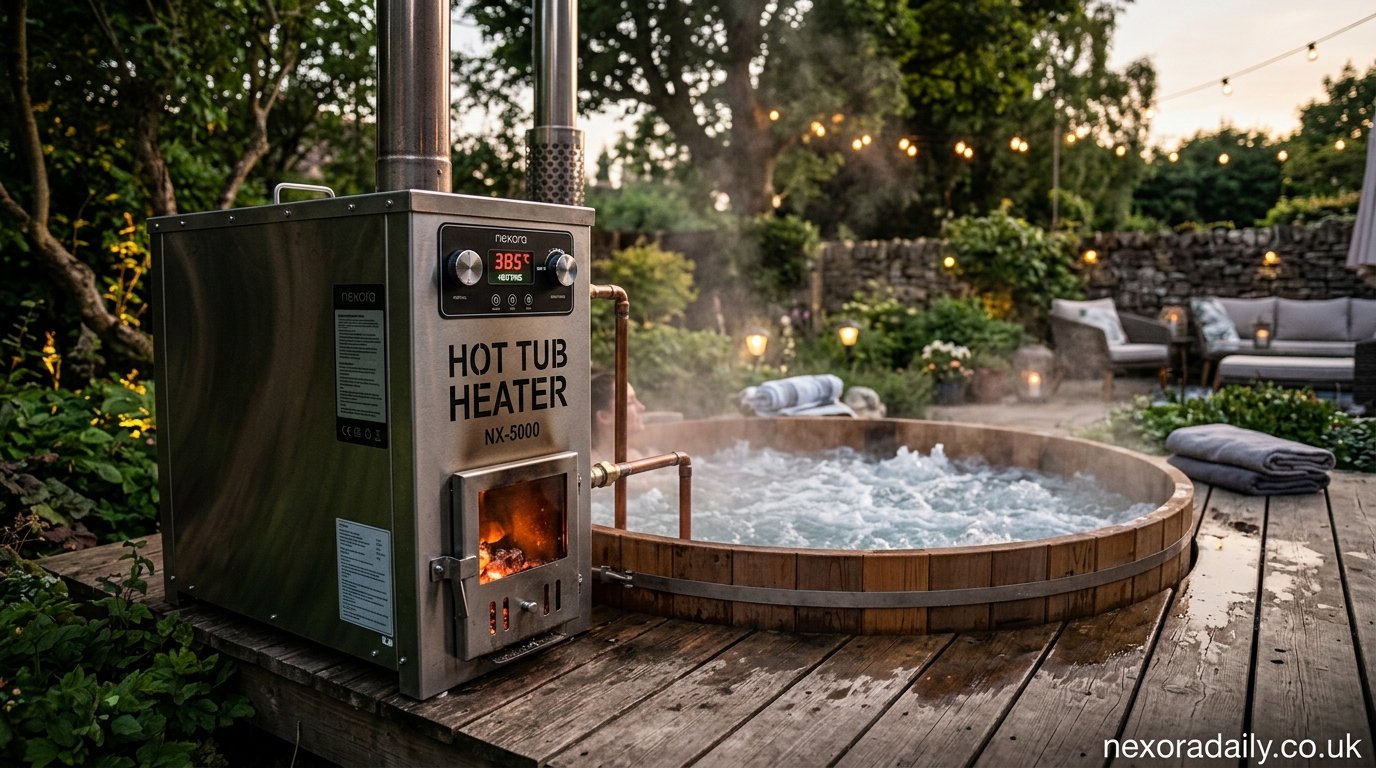
A hot tub heater is one of the most important components in any spa system. Without a properly functioning heater, a hot tub cannot provide the warm, relaxing water temperatures that make hydrotherapy and spa ownership so enjoyable. Whether installed in a residential backyard spa, a luxury wellness retreat, or a commercial hot tub facility, the heater is responsible for raising and maintaining water temperature while working alongside pumps, filters, sensors, and control systems.
Modern hot tub heaters have evolved significantly over the years. Today’s heating systems are designed to provide greater efficiency, improved safety, faster heat-up times, and lower operating costs than earlier generations. Advances in digital controls, smart monitoring technology, corrosion-resistant materials, and energy-efficient designs have transformed the way hot tubs maintain comfortable temperatures throughout the year.
Understanding how a hot tub heater works, the different heater types available, common maintenance requirements, and ways to maximize efficiency can help owners make informed decisions and avoid costly repairs. Whether you are purchasing a new spa, upgrading an existing system, or replacing a failed heater, knowing the fundamentals of spa heating technology is essential for long-term performance and comfort.
Understanding How a Hot Tub Heater Works
A hot tub heater functions by warming water as it circulates through the spa’s plumbing system. Water is drawn from the hot tub by a circulation pump and pushed through a filter to remove debris and contaminants. After filtration, the water passes through the heater assembly where heat is transferred into the water before it returns to the spa.
Most modern portable hot tubs utilize electric resistance heaters. These systems contain a heating element enclosed within a stainless-steel tube known as a heater housing. As electricity flows through the element, heat is generated and transferred to the surrounding water. Temperature sensors continuously monitor water conditions and communicate with the control board to regulate heating cycles automatically.
The process may appear simple, but modern heaters rely on multiple safety devices and monitoring systems. Pressure switches, flow sensors, high-limit sensors, and electronic control modules ensure that heating occurs only when proper water circulation is present. These safeguards help prevent overheating, equipment damage, and potential safety hazards while maintaining stable water temperatures.
Types of Hot Tub Heaters Available Today
Several types of hot tub heaters are used across the spa industry, each offering unique advantages depending on the owner’s needs, climate, and budget. Electric heaters remain the most common option because they are reliable, easy to install, and compatible with most residential hot tub systems. They provide precise temperature control and generally require less maintenance than fuel-based alternatives.
Gas-powered heaters operate using natural gas or propane and are valued for their rapid heating capabilities. Because they generate significant amounts of heat quickly, they can warm large volumes of water faster than many electric systems. This makes them particularly attractive for larger spas, swim spas, and commercial facilities where quick recovery times are important.
Heat pump technology has gained popularity among energy-conscious hot tub owners. Unlike traditional electric resistance heaters that generate heat directly, heat pumps transfer existing heat from the surrounding air into the water. Although installation costs can be higher, these systems often deliver substantial long-term energy savings, especially in moderate climates where ambient temperatures remain relatively warm throughout the year.
Key Components Within a Spa Heating System
A hot tub heating system consists of several interconnected components that work together to ensure efficient operation. The heating element serves as the primary heat source in electric systems. These elements are typically manufactured from durable alloys designed to withstand constant exposure to hot water, chemicals, and fluctuating temperatures.
The control pack functions as the central management unit for the entire spa. It coordinates heater operation, pump activity, filtration cycles, and user settings. Modern digital control systems allow owners to adjust temperatures precisely while providing diagnostic information when issues occur.
Temperature sensors and safety switches play equally important roles. Sensors continuously measure water temperature and communicate with the control board to maintain desired settings. Flow switches verify adequate water circulation before heating begins, while high-limit sensors prevent dangerous overheating situations. Together, these components create a reliable system that balances comfort, efficiency, and safety.
Heater Size, Power Ratings, and Performance Factors
The heating performance of a hot tub depends largely on heater wattage, spa size, insulation quality, and environmental conditions. Most residential hot tubs use heaters ranging from 1 kilowatt to 6 kilowatts, although larger commercial installations may require substantially greater heating capacity.
A higher wattage heater generally raises water temperature more quickly, but heating speed is influenced by additional factors. Outdoor temperature, wind exposure, water volume, and insulation effectiveness all affect how efficiently a spa retains heat. Even a powerful heater may struggle to maintain temperature if the spa has poor insulation or an inadequate cover.
Heat retention is often as important as heat generation. Premium hot tubs incorporate advanced insulation systems designed to minimize heat loss through cabinet walls, plumbing lines, and the shell structure. When paired with an efficient heater, quality insulation significantly reduces operating costs while improving overall temperature stability.
Energy Efficiency and Cost Management
Energy consumption is one of the primary concerns for hot tub owners. Heating water requires a substantial amount of energy, making efficiency an important consideration when selecting and operating a spa heater. Fortunately, modern systems incorporate numerous technologies designed to reduce energy usage without sacrificing comfort.
One of the most effective ways to improve efficiency is by using a well-insulated spa cover. Heat naturally escapes from the water surface, and a quality cover dramatically reduces this loss. When a hot tub remains covered between uses, the heater runs less frequently, resulting in lower electricity or fuel costs.
Temperature management also influences operating expenses. Maintaining extremely high temperatures year-round requires more energy than keeping the spa at moderate levels and increasing the temperature before use. Many modern control systems offer programmable schedules and economy modes that optimize heating cycles based on user habits, further improving efficiency.
Water Chemistry and Its Impact on Heater Lifespan
Water chemistry plays a critical role in the longevity and performance of hot tub heaters. Improperly balanced water can accelerate corrosion, promote scale formation, and damage sensitive components throughout the heating system. Even high-quality heaters can experience premature failure when exposed to poor water conditions for extended periods.
Excessively low pH levels create acidic water that may corrode heating elements, metal fittings, and internal plumbing components. Conversely, high pH levels can contribute to mineral scaling, which forms an insulating layer on heating surfaces. This buildup reduces heat transfer efficiency and forces the heater to work harder to achieve desired temperatures.
Calcium hardness must also be carefully monitored. Water with excessive calcium content can leave deposits inside the heater housing and plumbing system, while water that is too soft may become aggressive toward metal surfaces. Regular testing and chemical balancing help maintain optimal conditions that protect the heater while ensuring safe and comfortable water quality.
Common Hot Tub Heater Problems and Troubleshooting
Even well-maintained heaters occasionally develop operational issues. One of the most common problems is heater failure caused by a burned-out heating element. Over time, repeated heating cycles, mineral deposits, and normal wear can reduce the element’s effectiveness or cause complete failure.
Flow-related problems frequently trigger heating errors. Dirty filters, blocked plumbing lines, airlocks, and malfunctioning circulation pumps can reduce water flow through the heater assembly. Since most modern systems require adequate circulation before activating the heater, insufficient flow often results in shutdowns or diagnostic error codes.
Temperature inconsistencies may indicate sensor malfunctions, calibration issues, or control board problems. In some cases, users notice water that is either too hot or not warm enough despite correct settings. Diagnosing these issues typically involves inspecting sensors, electrical connections, flow systems, and heater components to identify the underlying cause accurately.
Hot Tub Heater Maintenance Best Practices
Routine maintenance is essential for maximizing heater lifespan and maintaining reliable performance. One of the most important tasks involves keeping filters clean. Restricted water flow caused by dirty filters places unnecessary stress on the heater and can contribute to overheating or reduced efficiency.
Regular inspections of electrical connections, unions, and plumbing fittings help identify developing problems before they become serious. Loose wires, small leaks, or corrosion around heater terminals can eventually lead to costly repairs if not addressed promptly. Periodic visual inspections often reveal warning signs that might otherwise go unnoticed.
Maintaining balanced water chemistry remains one of the most effective preventive measures. Consistent monitoring of sanitizer levels, pH, alkalinity, and calcium hardness helps protect heating components from corrosion and scale buildup. Combined with routine cleaning and professional servicing when needed, proper maintenance significantly extends heater life and improves system reliability.
Signs It Is Time to Replace a Hot Tub Heater
Although repairs can resolve many heater issues, every heating system eventually reaches the end of its useful lifespan. One common indication of impending failure is a noticeable increase in heating time. If water takes significantly longer to reach the desired temperature, the heater may no longer be operating efficiently.
Frequent breaker trips, recurring error messages, and repeated repair needs often signal deeper electrical or mechanical problems. In some cases, repair costs begin approaching the price of a replacement unit, making a new heater the more practical investment. Modern replacement heaters also tend to offer improved efficiency and enhanced safety features.
Physical deterioration provides another warning sign. Corrosion, cracked housings, water leaks, and damaged terminals indicate substantial wear that may compromise performance and safety. Replacing the heater before catastrophic failure occurs can help prevent additional damage to pumps, plumbing systems, and electronic control components.
Advances in Modern Hot Tub Heating Technology
The hot tub industry continues to introduce innovations aimed at improving efficiency, convenience, and sustainability. Smart control systems now allow users to monitor and adjust water temperatures remotely through mobile applications. These systems provide real-time information about energy consumption, heating status, and maintenance needs.
Manufacturers are also developing more advanced insulation technologies that reduce heat loss and improve overall efficiency. Enhanced cabinet insulation, thermal barriers, and energy-efficient circulation systems work together to minimize heating demands while maintaining consistent temperatures throughout the day.
Environmental sustainability has become an increasingly important focus as well. Heat pump systems, energy management software, and renewable energy integration are helping spa owners reduce operating costs and environmental impact. As technology continues to evolve, future hot tub heaters are expected to become even more efficient, intelligent, and user-friendly.
Conclusion
A hot tub heater is far more than a simple heating device. It is a sophisticated component that works in coordination with pumps, sensors, control systems, and filtration equipment to create a comfortable and enjoyable spa experience. Understanding how these systems operate helps owners make informed decisions regarding installation, maintenance, and replacement.
Whether using a traditional electric heater, a gas-powered system, or an energy-efficient heat pump, proper care and routine maintenance are essential for long-term performance. Balanced water chemistry, clean filters, adequate water flow, and regular inspections all contribute to reliable operation while reducing the likelihood of unexpected failures.
As heating technology continues to advance, modern hot tub owners can benefit from greater efficiency, smarter controls, and improved sustainability. Investing in a quality heater and maintaining it correctly ensures years of dependable performance, comfortable water temperatures, and relaxing spa enjoyment in every season.
