

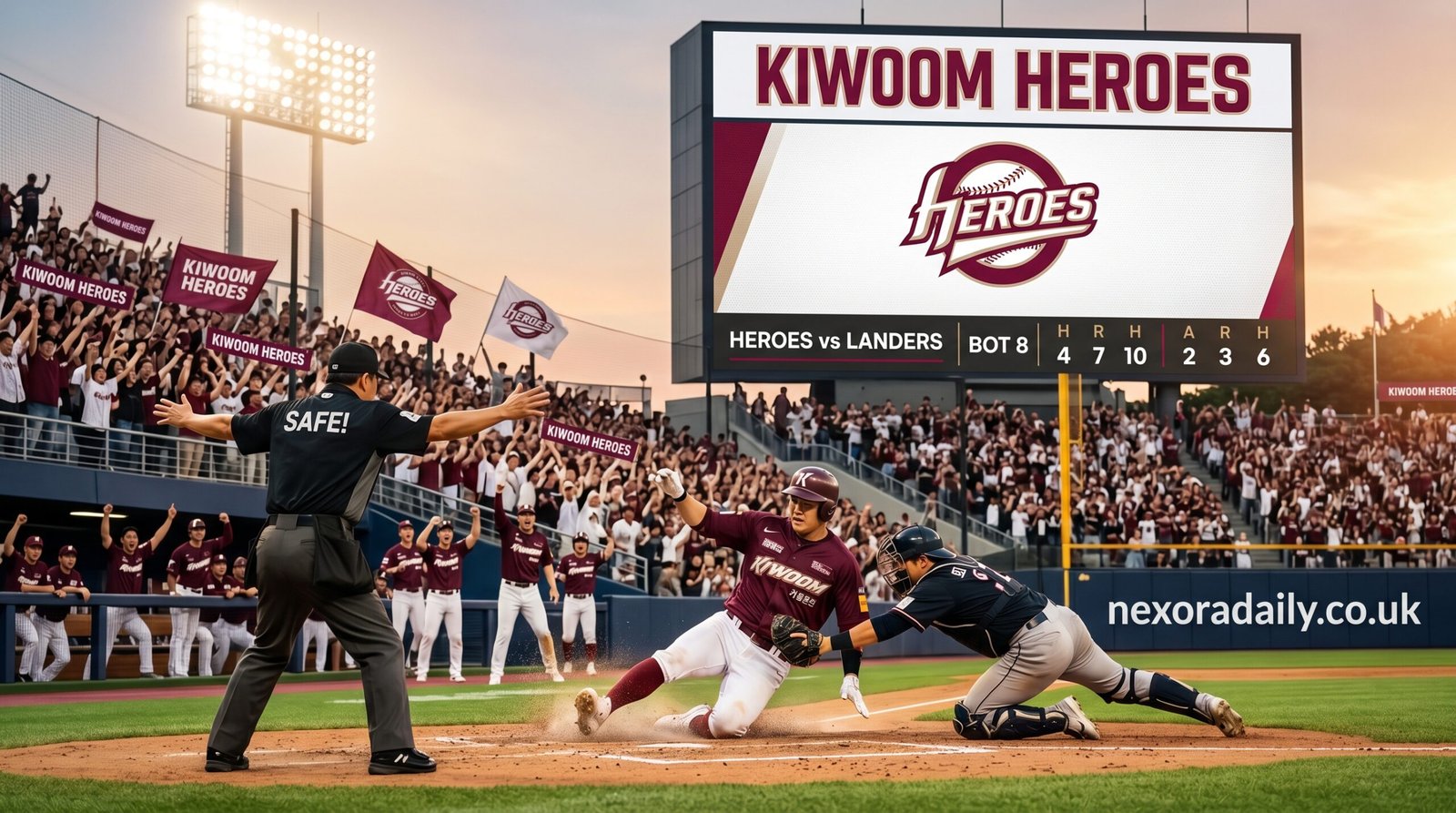
The Kiwoom Heroes are one of the most talked-about teams in the Korea Baseball Organization (KBO League), and for good reason. Unlike many other professional baseball teams in South Korea that are directly owned by massive corporate groups, the Kiwoom Heroes operate under a unique sponsorship-based business model that has made them stand out in Korean professional baseball. Over the years, the franchise has become known for developing elite talent, competing against financially stronger teams, and producing players who eventually move to Major League Baseball (MLB). For baseball fans searching terms like Kiwoom Heroes roster, Kiwoom Heroes schedule, KBO teams, Korean baseball teams, and Gocheok Sky Dome, this team remains one of the most fascinating organizations to follow.
The franchise is based in Seoul, South Korea, and has built a reputation for smart player development and efficient management. Despite frequently losing star players to MLB or free agency, the organization continues finding young talent and rebuilding its roster. This strategy has helped the team remain relevant in one of Asia’s most competitive baseball leagues. Whether you are a longtime KBO follower or someone discovering Korean baseball for the first time, understanding the Kiwoom Heroes gives you valuable insight into how modern baseball operates outside of North America.
The global popularity of the KBO League grew significantly during the COVID-19 pandemic when international sports fans began watching Korean baseball broadcasts. During that period, many global audiences discovered the Kiwoom Heroes and became interested in their history, stadium, star players, and future prospects. Today, the team continues attracting international attention because of its exciting gameplay, loyal fan base, and ability to produce world-class players.
History of the Kiwoom Heroes Franchise
The roots of the Kiwoom Heroes trace back to the former Hyundai Unicorns franchise, one of the most successful teams in early KBO history. The Hyundai Unicorns won multiple Korean Series championships but eventually collapsed due to financial issues. After the team disbanded in 2007, a new organization was formed in 2008 to preserve professional baseball in Seoul. This new franchise became known as the Woori Heroes.
Unlike traditional KBO teams owned by companies such as Samsung, LG, Kia, and Doosan, the Heroes operated through naming rights sponsorships. This unusual structure led to several name changes over the years. After starting as Woori Heroes, the franchise became Seoul Heroes before entering a sponsorship agreement with Nexen Tire and rebranding as the Nexen Heroes. In 2019, Kiwoom Securities signed a major naming rights agreement, leading to the current team name: Kiwoom Heroes.
Although frequent name changes created branding challenges, the franchise remained stable on the field. The organization focused heavily on scouting young players, developing talent, and competing through strategic roster planning rather than financial dominance. This philosophy continues to define the team today.
Gocheok Sky Dome: Home of the Kiwoom Heroes
The Kiwoom Heroes play their home games at Gocheok Sky Dome, one of the most modern baseball stadiums in Asia. The stadium officially opened in 2015 and became the permanent home of the Heroes in 2016 after they moved from Mokdong Baseball Stadium. It is South Korea’s first fully domed baseball stadium and remains a major landmark in Korean sports.
One of the biggest advantages of Gocheok Sky Dome is weather protection. Since the stadium is indoors, games are rarely postponed due to rain, snow, or extreme weather conditions. This provides consistency for players, broadcasters, and fans. The venue typically seats around 16,000 spectators and offers modern facilities, improved seating, and enhanced fan experiences.
Beyond baseball, Gocheok Sky Dome has hosted major concerts, international sporting events, and cultural performances. Global music acts and international baseball tournaments have used the venue, making it one of Seoul’s most important entertainment destinations.
How the Kiwoom Heroes Built a Reputation for Player Development
One of the biggest reasons baseball fans search for the Kiwoom Heroes is their incredible ability to develop talent. While larger teams often rely on expensive signings, Kiwoom focuses on drafting young players and helping them reach their full potential through coaching and consistent playing time.
The organization has earned respect throughout the baseball world for identifying overlooked talent. Many young athletes receive opportunities much earlier than they would with other KBO organizations. This helps players gain confidence and experience while improving the team’s long-term future.
Because of this development strategy, Kiwoom has become one of the most respected talent pipelines in Asian baseball. Scouts from MLB frequently monitor the organization because they know future stars often emerge from this team.
Famous Kiwoom Heroes Players
The franchise has produced some of the biggest stars in Korean baseball history. Jung-ho Kang became one of the earliest Heroes players to successfully move to MLB when he joined the Pittsburgh Pirates. His success introduced many American baseball fans to KBO talent.
Ha-Seong Kim followed a similar path when he signed with the San Diego Padres. His defensive skills and offensive production made him one of the league’s most valuable exports. Lee Jung-hoo later joined the San Francisco Giants after becoming one of Korea’s most popular players.
Park Byung-ho also played a major role in building the team’s identity through his power hitting. These athletes helped transform the Heroes into a globally recognized baseball brand.
Kiwoom Heroes Performance in the KBO League
The Kiwoom Heroes have consistently been competitive despite operating with fewer financial advantages than rival teams. They have made multiple postseason appearances and regularly challenge stronger franchises during important games.
One of their most memorable seasons came in 2019 when they reached the Korean Series. The team delivered impressive playoff performances but ultimately lost to the Doosan Bears. Even though they fell short of winning a championship, that season remains one of the most successful in franchise history.
The organization continues pursuing its first Korean Series title. While recent seasons have included rebuilding phases, many fans believe another championship run is possible in the near future.
Current Roster and Team Strategy
The modern Kiwoom Heroes roster reflects a rebuilding team focused on youth development. After losing several major stars to MLB opportunities and free agency, the franchise has shifted toward younger players and long-term roster planning.
The coaching staff often gives prospects meaningful playing time to accelerate their development. While this can lead to inconsistent short-term results, it strengthens the organization’s future.
International players have also contributed to the team over the years. Former MLB star Yasiel Puig attracted major global attention when he joined the Heroes, bringing international media coverage to the franchise.
Fan Culture and Game-Day Experience
Attending a Kiwoom Heroes game offers one of the most exciting experiences in Korean sports. KBO games are famous for energetic chants, synchronized cheering, music, and highly engaged fan sections.
Fans often sing player songs throughout games, creating an atmosphere that feels very different from traditional MLB stadiums. The energy inside Gocheok Sky Dome makes every game feel like a major event.
International travelers visiting Seoul often add a Kiwoom Heroes game to their itinerary because it offers both sports entertainment and cultural immersion.
Challenges Facing the Kiwoom Heroes
One major challenge for the organization is retaining star talent. When players become successful, they often attract MLB interest or receive larger offers elsewhere.
Financial limitations can also make it difficult to compete with wealthier KBO franchises. Teams backed by large corporations often have more resources for roster expansion.
Despite these challenges, Kiwoom continues competing through strong scouting and efficient management.
The Future of the Kiwoom Heroes
The future looks promising for the Kiwoom Heroes because their development system continues producing talented young players. Even when stars leave, new prospects often emerge.
As global interest in Korean baseball continues growing, the Heroes are likely to attract even more international fans. Their connection to MLB talent pipelines strengthens their global reputation.
With strong leadership, loyal supporters, and one of Asia’s best stadiums, the Kiwoom Heroes remain one of the most interesting teams in professional baseball.
Conclusion
The Kiwoom Heroes have built one of the most unique identities in Korean baseball through resilience, player development, and smart management. From their origins following the collapse of the Hyundai Unicorns to their current home at Gocheok Sky Dome, the franchise has consistently adapted to challenges while remaining competitive.
Their ability to produce MLB-caliber talent, maintain a passionate fan base, and compete in the KBO League makes them one of the most respected teams in Asia. Whether you are searching for Kiwoom Heroes history, roster updates, ticket information, or Korean baseball insights, this franchise offers a compelling story that continues evolving every season.
