

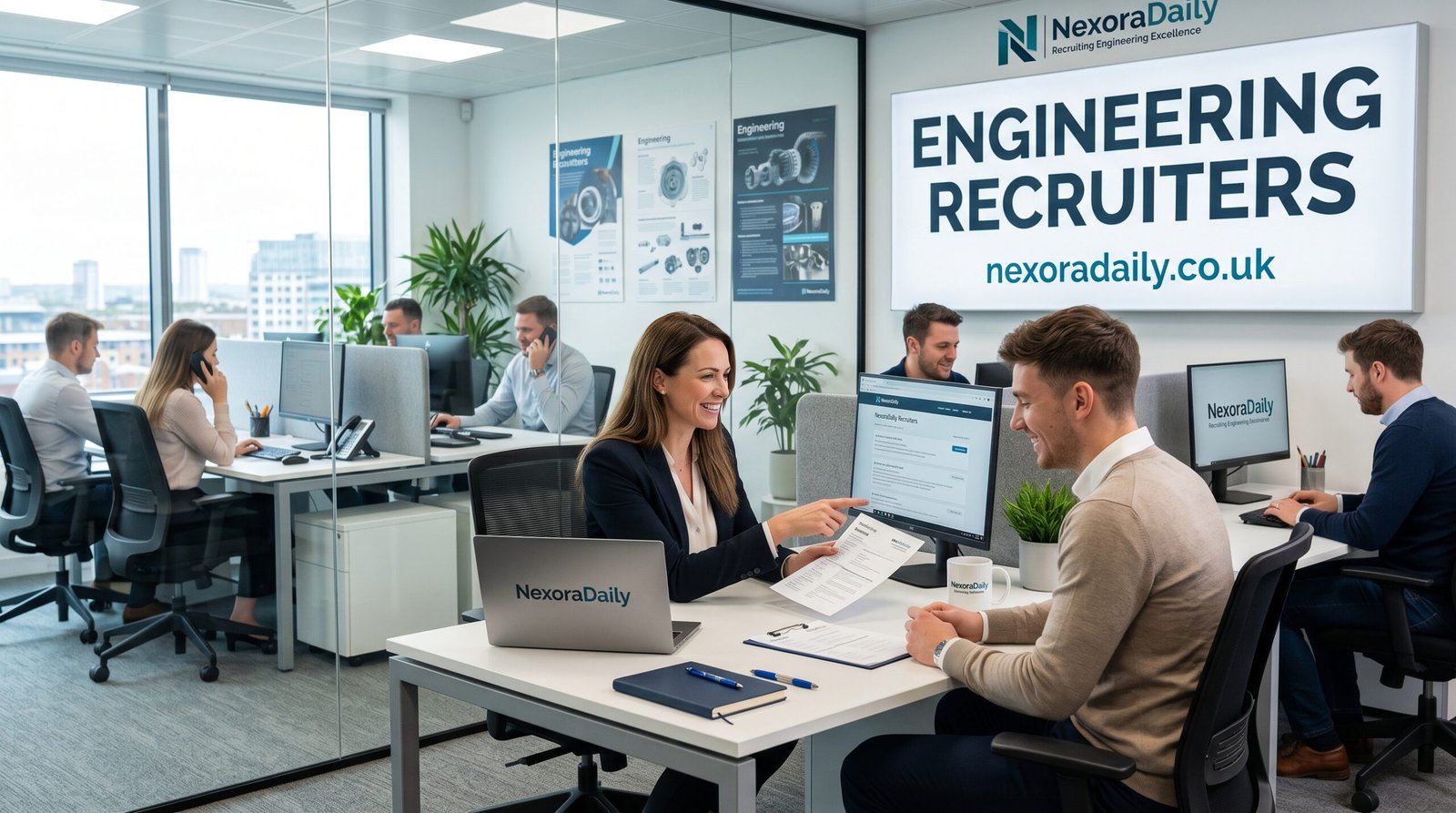
Engineering recruiters play a critical role in helping companies find highly skilled technical professionals in an increasingly competitive hiring market. As businesses across software, manufacturing, construction, healthcare, aerospace, energy, and automotive sectors continue expanding their technical teams, the demand for specialized recruiters has grown significantly. Hiring engineers is no longer as simple as posting vacancies online and waiting for applications. Employers now face intense competition for skilled professionals, especially in areas like software development, artificial intelligence, cybersecurity, cloud computing, robotics, mechanical design, and industrial automation.
The engineering hiring landscape has changed dramatically over the past few years. Companies are dealing with talent shortages, remote hiring competition, shifting salary expectations, and rapid advancements in technology. At the same time, engineers are becoming more selective about job opportunities, prioritizing flexible work arrangements, career growth, strong leadership, and meaningful projects. This shift has made engineering recruiters more valuable because they bridge the gap between companies and highly qualified technical candidates.
Unlike general recruiters, engineering recruiters understand technical roles, engineering workflows, certifications, programming languages, software tools, and industry requirements. They know the difference between a civil engineer and a structural engineer, a backend developer and a DevOps engineer, or a mechanical engineer and a manufacturing engineer. Their specialized knowledge allows them to identify qualified candidates faster and reduce hiring mistakes.
In this complete guide, we will explore what engineering recruiters do, how engineering recruitment works, why companies rely on engineering staffing agencies, the biggest hiring challenges, current recruitment trends, and what both employers and engineers need to know to succeed in today’s technical hiring market.
What Are Engineering Recruiters?
Engineering recruiters are hiring professionals who specialize in finding, screening, and placing engineers in technical positions. They work with companies to identify hiring needs and locate candidates who possess the right combination of technical expertise, certifications, experience, and problem-solving abilities.
These recruiters may work internally for large corporations or externally through engineering staffing agencies and recruitment firms. Internal recruiters often focus solely on hiring for one organization, while agency recruiters serve multiple clients across various industries. Executive recruiters may focus on leadership positions such as Chief Technology Officer, Vice President of Engineering, Engineering Director, or senior technical architect roles.
Engineering recruiters typically handle multiple stages of the hiring process. They create job descriptions, source candidates, review resumes, conduct screening interviews, coordinate technical assessments, schedule interviews with hiring managers, negotiate salaries, and manage job offers. Their goal is to reduce hiring delays while ensuring companies hire qualified professionals who can succeed long term.
Because engineering positions often require niche expertise, recruiters must understand industry terminology and technical requirements. A recruiter hiring a machine learning engineer needs knowledge of Python, TensorFlow, machine learning frameworks, and data pipelines, while a recruiter hiring civil engineers must understand construction regulations, project management, and design software like AutoCAD or Revit.
Why Companies Depend on Engineering Recruitment Agencies
Many organizations struggle to recruit engineers through traditional hiring methods. Internal HR teams may lack technical expertise, making it difficult to evaluate engineering candidates properly. This challenge becomes even greater when companies need highly specialized professionals.
Engineering recruitment agencies help solve this issue by offering access to broader talent pools. Many recruiters maintain databases of pre-screened candidates, passive job seekers, and industry connections that companies would otherwise struggle to reach. Passive candidates are especially valuable because many top engineers are not actively applying for jobs.
Time-to-hire is another major reason companies use engineering recruiters. Research from the Society for Human Resource Management shows that technical roles often take longer to fill than non-technical positions. Delayed hiring can slow product development, infrastructure projects, manufacturing timelines, and software launches.
Engineering staffing firms also help reduce hiring risks. A poor engineering hire can cost companies thousands of dollars in lost productivity, onboarding costs, delayed projects, and team disruptions. Specialized recruiters improve hiring accuracy by thoroughly vetting candidates before introducing them to employers.
Industries That Frequently Hire Engineering Recruiters
The technology sector remains one of the largest users of engineering recruiters. Software companies constantly search for frontend developers, backend developers, mobile app developers, DevOps engineers, cloud engineers, cybersecurity specialists, AI engineers, and data engineers.
Manufacturing companies also heavily rely on recruiters to hire mechanical engineers, industrial engineers, robotics specialists, quality assurance engineers, and process engineers. As smart factories and automation systems expand, demand for technical talent continues increasing.
Construction companies frequently hire civil engineers, structural engineers, environmental engineers, and project engineers through recruitment agencies. Infrastructure development projects often require highly experienced professionals with specific certifications and regulatory knowledge.
The aerospace and defense industries require recruiters to identify aerospace engineers, systems engineers, avionics specialists, and manufacturing engineers with specialized expertise. These positions often involve strict compliance requirements and security clearances.
Healthcare companies increasingly hire biomedical engineers, software engineers, medical device engineers, and automation specialists to support digital health technologies and advanced medical systems.
Energy companies rely on engineering recruiters to hire petroleum engineers, renewable energy engineers, electrical engineers, and environmental specialists as the industry shifts toward sustainable infrastructure.
The Most In-Demand Engineering Roles
Software engineers remain among the most sought-after professionals globally. Businesses continue expanding digital products, mobile platforms, cloud infrastructure, and AI systems, creating high demand for experienced developers.
Artificial intelligence engineers have become one of the fastest-growing technical roles. Companies are investing heavily in machine learning applications, generative AI tools, automation systems, and predictive analytics platforms.
Cybersecurity engineers are also in extremely high demand due to increasing data breaches, ransomware threats, and stricter compliance requirements. Organizations need professionals who can protect systems and sensitive customer data.
Mechanical engineers remain essential in manufacturing, aerospace, automotive design, robotics, and product development. Their role continues evolving alongside automation technologies.
Civil engineers are increasingly needed for urban development projects, infrastructure upgrades, transportation systems, and sustainable construction initiatives.
Electrical engineers continue seeing strong demand across telecommunications, renewable energy systems, semiconductor manufacturing, and consumer electronics development.
Data engineers are becoming critical as businesses collect larger amounts of operational and customer data that require storage, processing, and analysis.
How Engineering Recruiters Find Qualified Candidates
Engineering recruiters use multiple sourcing strategies to identify top candidates. Job boards still generate applicants, but recruiters often rely on more proactive methods.
LinkedIn remains one of the most widely used platforms for engineering recruitment. Recruiters search candidate profiles based on technical experience, certifications, industries, and employment history.
GitHub has become highly valuable for software engineering recruitment. Recruiters often review candidate coding projects, open-source contributions, and programming activity.
Stack Overflow profiles can help recruiters evaluate developer expertise through technical discussions and problem-solving contributions.
Recruiters also attend engineering conferences, networking events, university career fairs, and trade shows to connect with emerging talent.
Employee referrals remain one of the most effective recruiting channels because existing engineers often recommend highly qualified peers.
Applicant tracking systems and AI-powered recruiting tools help recruiters manage applications, automate outreach, and streamline hiring workflows.
Challenges in Engineering Recruitment
One major challenge is the growing engineering talent shortage. Universities are not producing enough specialized talent to meet growing demand in advanced technology fields.
Competition for engineers has intensified because remote work allows companies to recruit globally. Local businesses now compete with international organizations offering higher salaries and better benefits.
Long hiring processes frequently cause companies to lose top candidates. Engineers often receive multiple job offers and may accept faster opportunities.
Salary inflation has also created hiring difficulties. Experienced software engineers, cybersecurity professionals, and AI specialists often command significantly higher compensation packages.
Skill verification remains challenging because resumes do not always reflect real technical capabilities. Recruiters must carefully assess candidates through interviews and technical evaluations.
Retention has become another concern. Hiring engineers is expensive, but retaining them is equally challenging when competitors continue offering attractive opportunities.
How Engineers Can Work Successfully With Recruiters
Engineering recruiters can provide major career advantages for job seekers. They often have access to confidential roles that never appear publicly online.
Candidates should maintain updated resumes that clearly highlight technical achievements, certifications, project outcomes, and measurable accomplishments.
Software engineers should showcase GitHub projects, coding portfolios, technical blogs, and open-source contributions when possible.
Mechanical, civil, and electrical engineers should highlight certifications, licensing credentials, major project involvement, and technical design experience.
Clear communication helps recruiters match candidates with appropriate opportunities. Engineers should be transparent about salary expectations, relocation preferences, remote work requirements, and long-term goals.
Strong interview preparation is also important because recruiters often provide insights about hiring managers, company expectations, and technical interview formats.
Technology Trends Changing Engineering Recruitment
Artificial intelligence is transforming engineering recruitment by automating resume screening, candidate sourcing, and interview scheduling. However, human recruiters still remain essential for relationship building and evaluating soft skills.
Remote work has permanently changed hiring practices. Companies increasingly hire engineers from different cities and countries to access larger talent pools.
Skills-based hiring is becoming more common as employers focus less on degrees and more on demonstrated technical ability.
Employer branding has become increasingly important because engineers often research company culture before accepting offers.
Diversity hiring initiatives are also influencing engineering recruitment as organizations work to build more inclusive technical teams.
Contract hiring and freelance engineering roles are growing as companies seek flexible talent for short-term projects.
How Companies Should Choose the Right Engineering Recruiter
Companies should evaluate recruiters based on technical specialization. A recruiter experienced in software hiring may not be the best choice for construction engineering roles.
Employers should ask about previous placements, client retention rates, average hiring timelines, and candidate screening processes.
Strong recruiters provide transparency throughout the hiring process and communicate honestly about market conditions, salary expectations, and hiring challenges.
Companies should also assess whether recruiters understand employer branding, diversity hiring goals, and long-term workforce planning strategies.
A recruiter who prioritizes long-term hiring success rather than quick placements often delivers better outcomes for employers.
The Future of Engineering Recruiters
Engineering recruitment will continue evolving as technology advances and workforce expectations change. Demand for AI engineers, renewable energy specialists, automation experts, and cybersecurity professionals will likely continue growing over the next decade.
Recruiters who combine technical expertise with strong relationship-building skills will remain highly valuable. While automation tools can improve efficiency, companies still need human judgment for hiring decisions.
Engineering recruiters will likely become even more specialized as technical roles continue expanding into niche areas. Recruiters who stay informed about industry trends, emerging technologies, and workforce behavior will have the strongest long-term success.
Conclusion
Engineering recruiters have become essential partners in today’s highly competitive hiring market. Their ability to understand technical roles, identify qualified candidates, reduce hiring delays, and improve hiring outcomes makes them incredibly valuable for companies across multiple industries.
For businesses, partnering with experienced engineering recruiters can solve talent shortages and improve hiring efficiency. For engineers, working with recruiters can unlock valuable career opportunities and provide access to hidden job markets.
As industries continue evolving through automation, artificial intelligence, digital transformation, and infrastructure growth, engineering recruiters will remain central to connecting top technical talent with the organizations that need them most.
