

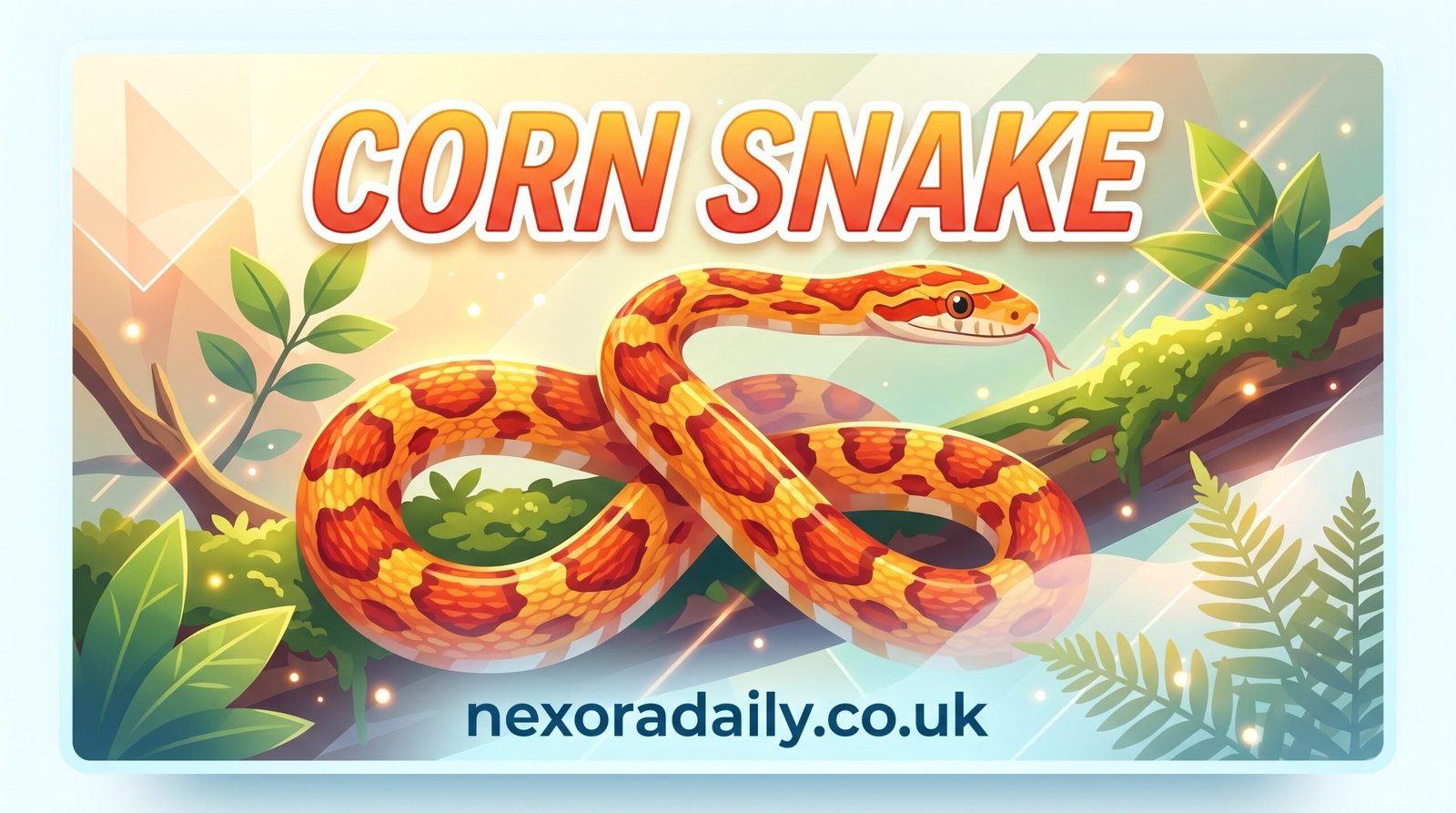
Corn snakes are one of the most widely kept pet reptiles in the world, admired for their calm nature, striking colors, and relatively simple care requirements compared to many other exotic animals. Scientifically known as Pantherophis guttatus, they belong to the colubrid family and are native to the southeastern United States. Over time, they have become a favorite among both beginner and experienced reptile keepers due to their adaptability in captivity and their generally predictable behavior.
Despite their popularity, corn snakes are still wild animals at their core, and understanding their biology, habitat needs, diet, and long-term care requirements is essential before bringing one into captivity. A well-informed owner can expect a corn snake to live a long, healthy life while displaying natural behaviors that make them fascinating to observe and interact with.
What Is a Corn Snake and Where Do They Come From?
Corn snakes are non-venomous constrictor snakes that primarily hunt small mammals in the wild. Their scientific classification places them within the larger group of North American rat snakes, and they are closely related to other species that help control rodent populations in natural ecosystems. Their common name is thought to come from their frequent presence near corn storage areas, where they would hunt mice and rats attracted to stored grain.
These snakes are naturally distributed across warm and humid regions of the southeastern United States, including forests, fields, and agricultural land. Their ability to adapt to human-modified environments is one of the reasons they have survived so successfully in the wild. In these environments, they play an important ecological role by keeping rodent populations under control, which also benefits farmers and natural ecosystems.
Natural Habitat and Wild Behavior of Corn Snakes
In the wild, corn snakes prefer environments that offer a balance of cover and open hunting areas. They are commonly found in overgrown fields, woodland edges, and abandoned structures where prey is abundant. Their natural coloration, which includes shades of orange, red, brown, and black, provides excellent camouflage among leaves, soil, and vegetation.
Corn snakes are primarily crepuscular, meaning they are most active during early morning and late evening hours. During the hotter parts of the day, they often hide under logs, rocks, or burrow into loose soil to avoid heat exposure. Their behavior is largely driven by survival instincts, including hunting efficiency and predator avoidance, which is why hiding spaces are so important even in captivity.
Corn Snake Size, Growth, and Lifespan
Corn snakes typically grow to an adult length of around 3 to 6 feet, with most individuals averaging about 4 to 5 feet. Their growth rate is influenced by factors such as diet, temperature, and overall health. Juveniles grow quickly during their first few years of life, gradually slowing as they reach adulthood.
In terms of lifespan, corn snakes are known for their longevity when properly cared for. In captivity, they commonly live between 15 and 20 years, with some individuals exceeding this range under optimal conditions. Their long lifespan makes them a significant commitment, requiring consistent care, proper nutrition, and a stable environment over many years.

Corn Snake Enclosure Setup and Habitat Design
A proper enclosure is one of the most important factors in maintaining a healthy corn snake. In captivity, they require enough space to move, explore, and thermoregulate comfortably. Adult corn snakes typically thrive in enclosures that are at least 40 gallons in size, though larger setups are often preferred for enrichment and natural movement.
The enclosure should include multiple hiding spots placed in both warm and cool areas. This allows the snake to feel secure while also regulating its body temperature. Suitable substrates such as aspen bedding, coconut husk, or paper-based materials help maintain cleanliness and allow natural burrowing behavior. The enclosure should also be escape-proof, as corn snakes are known for their ability to squeeze through small gaps.
Temperature, Humidity, and Lighting Requirements
Corn snakes rely on external heat sources to regulate their body temperature, as they are ectothermic animals. The warm side of their enclosure should typically be maintained between 82°F and 90°F, while the cooler side should remain around 70°F to 75°F. This temperature gradient allows them to move between zones depending on their physiological needs.
Humidity levels should generally remain moderate, around 40% to 60%, although slight increases may be necessary during shedding periods. Proper humidity ensures smooth shedding and prevents skin-related complications. While corn snakes do not require UVB lighting to survive, a natural day-night light cycle can help regulate their internal rhythms and encourage more natural behavior patterns.
Corn Snake Diet and Feeding Behavior
Corn snakes are carnivorous reptiles that primarily feed on small rodents in both wild and captive environments. In captivity, their diet typically consists of frozen-thawed mice that are appropriately sized for their body width. Younger snakes are usually fed smaller prey items more frequently, while adults are fed larger meals at longer intervals.
Their feeding behavior is strongly driven by scent and movement cues, which is why they may sometimes exhibit enthusiastic feeding responses. It is important to maintain a consistent feeding schedule while avoiding overfeeding, as obesity can lead to serious health problems. Fresh water should always be available, as hydration plays an essential role in digestion and shedding.
Shedding Process and Common Health Concerns
Like all snakes, corn snakes shed their skin periodically as they grow. This process, known as ecdysis, typically begins with a dulling of their skin color and cloudiness in their eyes. During this time, they may become less active and may temporarily refuse food, which is a normal part of the shedding cycle.
Health issues in corn snakes are often related to environmental stress or improper care. Respiratory infections, retained shed, parasites, and burns from incorrect heating equipment are among the most common problems seen in captivity. Regular observation, proper enclosure maintenance, and stable environmental conditions greatly reduce the risk of these issues developing.
Corn Snake Temperament and Handling Behavior
One of the key reasons corn snakes are so popular is their generally calm and tolerant temperament. When handled properly and consistently, they often become comfortable with human interaction and may even show curiosity toward their surroundings. They rarely display aggression and are usually more likely to retreat than to bite when stressed.
However, like all reptiles, they require gentle and respectful handling. Overhandling or improper support can lead to stress, which may affect their feeding and overall health. Building trust over time is important, especially with younger snakes that may initially be more defensive.
Corn Snake Morphs and Breeding Basics
Selective breeding has produced a wide variety of corn snake morphs, each with unique color patterns and genetic traits. These include albino, amelanistic, snow, caramel, and many other variations that differ in pigmentation and pattern expression. These morphs have significantly increased the popularity of corn snakes in the reptile hobby.
Breeding corn snakes requires careful planning, genetic knowledge, and proper environmental control. Seasonal temperature changes often trigger breeding behavior in captivity, and females may lay multiple eggs per clutch. Incubation conditions must be carefully maintained to ensure successful hatching and healthy offspring.
Is a Corn Snake Right for Beginners?
Corn snakes are often recommended as one of the best reptile pets for beginners due to their manageable size, predictable behavior, and relatively simple care requirements. They do not require complex diets or extreme environmental conditions, making them more forgiving than many other exotic reptiles.
However, they still require long-term commitment, proper enclosure setup, and responsible care. Potential owners should understand that corn snakes are not short-term pets and require consistent attention for many years. With proper preparation and dedication, they can become rewarding and fascinating companions.
Conclusion
Corn snakes are remarkable reptiles that combine beauty, intelligence, and adaptability in a way that makes them one of the most popular pet snakes in the world. From their natural habitat in the southeastern United States to their carefully maintained enclosures in captivity, they demonstrate a wide range of behaviors that make them both educational and enjoyable to observe.
When given proper care, including the right temperature, diet, habitat setup, and handling practices, corn snakes can thrive for decades. Their long lifespan, calm temperament, and striking appearance make them an excellent choice for reptile enthusiasts who are ready for a long-term and responsible commitment.
